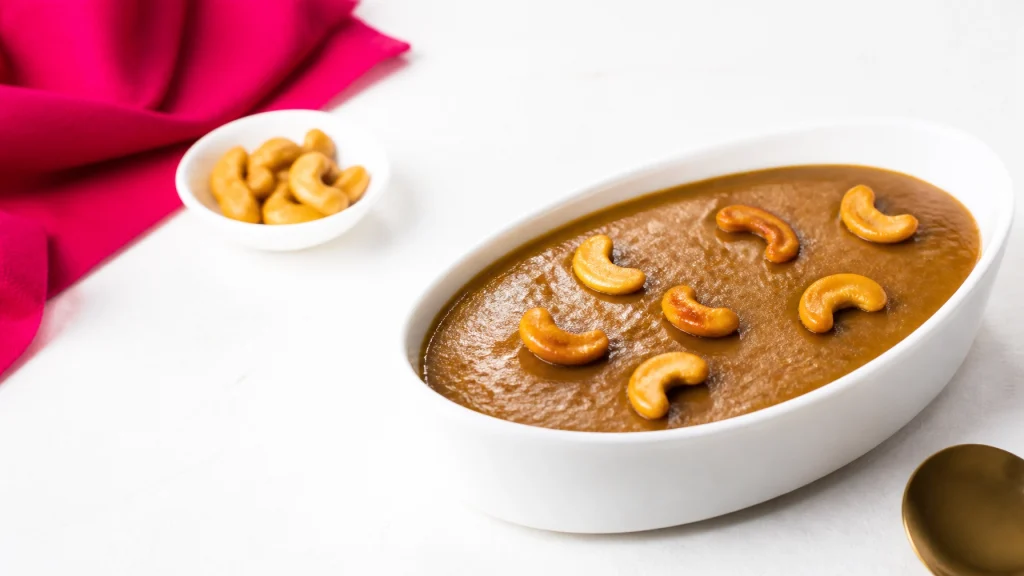
Hi there! If you have ever wondered what happens when rich coconut milk, deep caramel-toned palm jaggery, and fragrant warm spices come together in a gentle steam bath, you are in for an absolute treat. Today, we are diving deep into the heart of Sri Lankan food culture with a legendary dessert: Traditional Sri Lankan Watalappan.
Inspired by rustic village-style cooking (think of the earthy, soulful magic you find in collections like Hidden Kitchens of Sri Lanka or rustic outdoor cooking channels), this spiced coconut custard is creamy, complex, and astonishingly simple to make once you know the secret rhythms of the kitchen.
Pull up a chair, grab your whisk, and let’s make some magic!
What Makes Watalappan So Special?
Unlike a standard Western baked custard, authentic Sri Lankan watalappan owes its signature dark caramel color and smoky, caramel-candy depth entirely to kithul jaggery, a natural sweetener harvested from the sap of the kithul palm (Caryota urens). Combine that with thick coconut milk, fresh cage-free eggs, freshly grated nutmeg, and fragrant cardamom, and you get a dessert that defines festive celebrations, family Sunday lunches, and cozy village gatherings across the island.
(And yes, scraping that block of jaggery is practically an arm workout, but trust us: every single scrape is worth it!)
Ingredients You Need
To recreate this authentic village-style watalappan in your own kitchen, gather the following ingredients. (Head over to Sri Lanka Stores to stock up on your pantry staples through their Grocery, Spices, and Coconut Products categories!)
- 226 g (½ lb) Kithul Jaggery: Finely grated or chopped. This is the absolute soul of authentic watalappan!
- 2–4 tbsp Water: Just enough to help melt the jaggery.
- 2 cups Thick Coconut Milk: Full-fat and ultra-creamy. You can explore quality options via the Coconut Products collection.
- 4 Large Eggs + 2 Extra Egg Yolks: For that luxurious, melt-in-your-mouth custard texture.
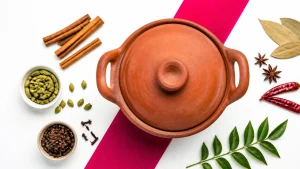
- ½ tsp Ground Cardamom: Freshly cracked and ground for maximum aroma (find premium pods in the Spices department).
- ¼ tsp Freshly Grated Nutmeg: Adds a warm, cozy background note.
- A pinch of Salt: To balance the deep sweetness.
- 1 tsp Vanilla Extract: For an extra layer of aromatic warmth.
- 2–3 tbsp Cashew Nuts & 1 tbsp Ghee: For frying up those golden, crunchy toppings.
Step-by-Step Instructions
Step 1: Melt the Kithul Jaggery

Start by adding your finely grated kithul jaggery and 2 to 4 tablespoons of water into a small saucepan. Heat it gently on low, stirring continuously until the jaggery completely dissolves into a rich, dark, glossy syrup.
Chef’s Tip: Remove the saucepan from the heat and let the syrup cool until it is just warm. If you pour boiling hot syrup straight into your eggs, you will accidentally make scrambled eggs. (And while scrambled eggs are great for breakfast, they make a terrible custard!)
Step 2: Whisk the Eggs and Spices

In a large, clean mixing bowl, lightly whisk your whole eggs and extra yolks. Remember: do not beat them into a foam! We want a smooth, silky custard, not a sponge cake.
Fold in your ground cardamom, grated nutmeg, pinch of salt, and vanilla extract. Intersperse these simple steps with a quiet moment to appreciate how incredible your kitchen already smells.
Step 3: Combine and Strain the Custard Base
Slowly pour your warm jaggery syrup into the egg mixture while stirring gently. Next, pour in the rich coconut milk. Stir everything together until the mixture is uniform and silky.
For the ultimate restaurant-quality texture, strain the entire custard mixture through a fine-mesh sieve. This catches any stubborn jaggery crystals or spice bits, leaving you with a liquid gold base.
Step 4: Steam to Perfection
Pour your strained custard into one large heatproof ceramic dish or several small individual ramekins. Cover the top tightly with aluminum foil to prevent condensation water from dripping into your custard.
Place your dish inside a steamer pot or a large pot fitted with a steaming rack filled with simmering water. Steam on medium-low heat for about 35 to 45 minutes (or up to an hour if using one large dish).
Test for Doneness: Gently shake the pan. The edges should be set, but the center should still have a slight, delicate wobble!
Step 5: Ghee-Fry the Cashews and Serve

While your watalappan cools down to room temperature, melt a spoonful of ghee in a small pan and lightly fry your cashew nuts until they turn a gorgeous golden brown.
Chill your watalappan in the refrigerator for at least 2 to 3 hours (or overnight for maximum flavor depth). Right before serving, crown your dessert with the crispy ghee-fried cashews and an optional drizzle of kithul treacle.
Watch and Learn: The Visual Guide
If you want to watch a masterclass in traditional Sri Lankan cooking style, check out this wonderful walkthrough:
Troubleshooting Tips for Perfect Watalappan
- My watalappan has holes or looks spongy: Your steamer heat was too high! Always steam on low to medium-low heat. Gentle steam equals silky custard.
- The custard didn’t set: Make sure your egg-to-liquid ratio is balanced and give it a little extra time in the steamer. Fresh eggs also set much firmer!
- The jaggery is too hard to grate: Use a sharp knife to shave it finely, or break it into smaller chunks and let it sit in the water for 10 minutes before heating.
Bring Sri Lankan Flavors Home Today!
There you have it: a foolproof guide to creating village-style watalappan right in your own kitchen. Whether you are reconnecting with your heritage or exploring traditional Sri Lankan dishes for the very first time, this dessert is guaranteed to steal the show.
Head over to Sri Lanka Stores to explore our full range of authentic ingredients, and have fun cooking!