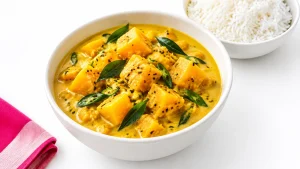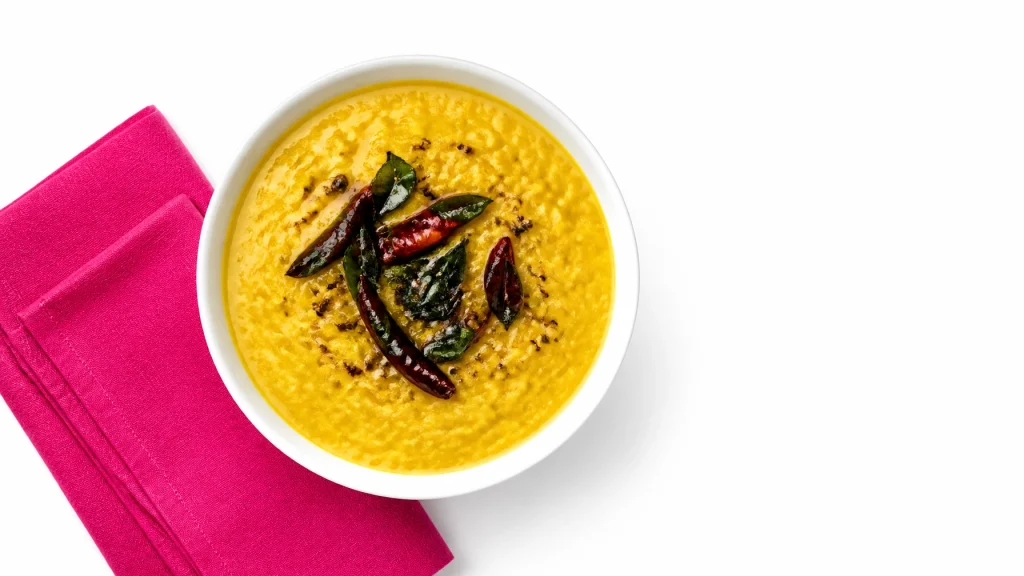
Hi there! If you’ve ever walked into a Sri Lankan home during lunchtime, you know that the comforting aroma of Parippu (Dhal Curry) is practically the heartbeat of the kitchen. It’s creamy, it’s golden, and it’s the ultimate soul food. But here’s the thing: while it might look like a simple bowl of lentils, there is a fine art to getting that perfect Sri Lankan texture and flavor.
Are you ending up with a mushy paste? Or maybe a watery mess that lacks that signature “oomph”? Don’t worry: we’ve all been there! (Even the pros had to start somewhere, right?)
Today, we’re diving into the five most common blunders people make when tackling a sri lankan dhal curry recipe. Let’s fix those mistakes and get you cooking like a true islander. Have fun!
1. The “Cloudy Water” Crime: Not Washing Your Lentils
Most of us are in a hurry to get dinner on the table, but skipping the rinse is the first step toward a mediocre dhal. Sri Lankan recipes almost always use Masoor Dhal (split red lentils). These little gems are packed with starch.
The Mistake: Throwing the lentils straight from the bag into the pot.
If you don’t wash them, that excess starch will turn your curry gummy, foamy, and: worst of all: it might boil over and decorate your stove with a sticky mess. (Nobody has time for that extra cleaning!)
The Fix: Rinse your lentils at least three to four times. You want the water to go from milky and opaque to relatively clear.

Penny’s Pro-Tip: Use your hands to gently “swish” the lentils around while rinsing. It helps loosen the starch much faster!
2. The “Mushy Factor”: Overcooking and Constant Stirring
In some cultures, dhal is meant to be a thick, indistinguishable mash. But in a classic Sri Lankan dhal curry recipe, we usually look for “soft but structured.” You want to see the individual lentils, even if they melt in your mouth.
The Mistake: Cooking on high heat and stirring like you’re whisking a cake.
Lentils are delicate. High heat breaks them down too fast, and constant stirring physically mashes them into baby food.
The Fix: Cook on low to medium heat. Once you’ve added your water and aromatics, give it one good stir and then leave it alone. Let it simmer gently until the lentils have absorbed the water and changed from orange to a beautiful pale yellow. They should be soft enough to crush between your fingers but still hold their shape.
3. The Coconut Milk Timing Trap
Coconut milk is the soul of sri lankan recipes. It provides that rich, velvety finish that balances the heat of the spices. But coconut milk is a fickle friend if you treat it wrong.
The Mistake: Adding thick coconut milk too early or boiling it on high heat.
If you add your thick coconut cream at the start, it will lose its fresh flavor and, worse, it might curdle or “split.” You’ll end up with oily droplets on top and a grainy texture.
The Fix: Add your coconut milk only after the lentils are fully cooked and tender. Lower the heat to a whisper, pour in the milk, and let it simmer for just 2-3 minutes. This keeps the curry creamy and ensures the coconut flavor stays bright and sweet.

4. Skipping the “Thalispu” (The Tempering)
If your dhal tastes a bit “flat,” this is likely why. In Sri Lanka, we call the final step Thalispu or tempering. It’s the process of frying aromatics in oil and pouring them: sizzling hot: over the cooked dhal.
The Mistake: Thinking the tempering is optional or burning the spices.
Some people skip this to save calories, but trust us, you’re skipping the soul of the dish! Others wait too long and burn the garlic or onions, making the whole pot taste bitter.
The Fix: In a separate small pan, heat a little oil. Add mustard seeds (wait for them to pop!), then sliced shallots, garlic, dried red chilies, and a generous handful of fresh curry leaves. Fry until the onions are golden brown, then pour the whole sizzling mixture: oil and all: straight into your dhal. The sound is music to our ears!

5. Forgetting the “Acid Hit” and Aromatics
A great curry is all about balance. You have the creaminess of the coconut and the earthiness of the lentils, but you need something to cut through that richness.
The Mistake: Forgetting the lime and skipping the Pandan leaf.
Without a touch of acidity, dhal can feel heavy. And without the right aromatics, it lacks that specific “Sri Lankan” scent.
The Fix:
- The Pandan Secret: If you can find it, add a small piece of Rampe (Pandan leaf) to the pot while the lentils are boiling. It adds a nutty, floral aroma that is unmistakably Sri Lankan.
- The Lime Squeeze: Once the heat is off, squeeze half a lime over the curry. This “brightens” the entire dish and makes the flavors pop. (Just make sure the heat is off, or the lime might turn bitter!)
Watch: How to Make Authentic Sri Lankan Parippu
Want to see these tips in action? Watching a master at work is the best way to learn the rhythm of Sri Lankan cooking. Check out this traditional method to see exactly how the consistency should look!
Watch the Authentic Sri Lankan Dhal Curry Tutorial here!
(This video by Priya’s lovely kitchen is a fantastic resource for seeing the traditional tempering technique!)
Ready to Cook?
Now that you know how to avoid these common pitfalls, you’re ready to master the most famous of all sri lankan recipes. Whether you’re serving it with a hot plate of rice or some crispy Coconut Roti, your dhal is going to be the star of the show.
Check out our full collection of authentic guides over at Sri Lanka Stores to find the perfect side dishes for your feast.
Happy cooking, and remember: keep that heat low and those curry leaves plenty!
Have fun!