Hi there! If you’ve ever walked into a Sri Lankan home during the Sinhala and Tamil New Year (Avurudu), you know that the air is heavy with the scent of hot coconut oil and the sweet, earthy aroma of kithul treacle. At the center of it all? The legendary Konda Kavum.
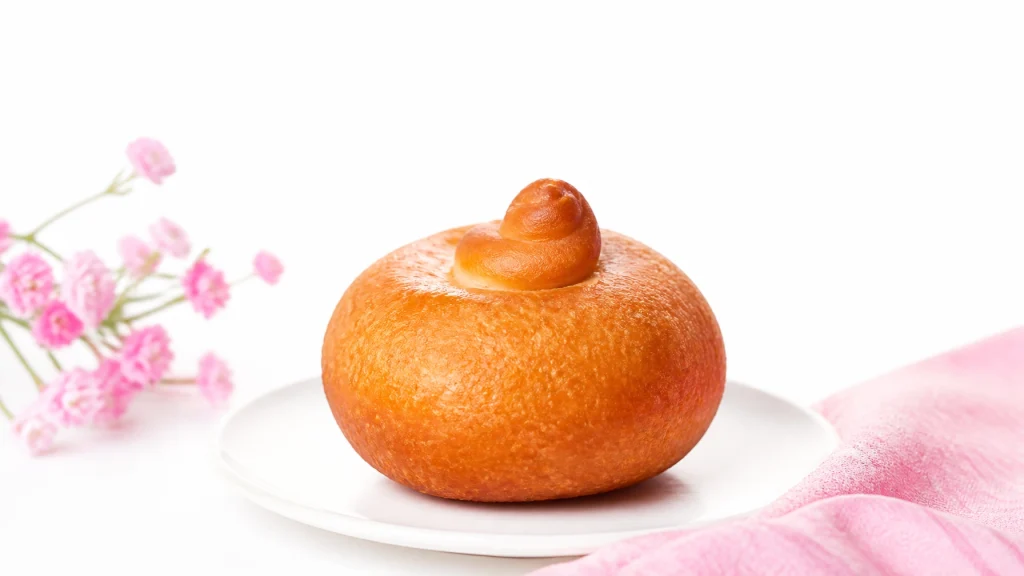
Often called the "Queen of Sri Lankan sweets," this deep-fried oil cake isn't just a snack; it's a masterpiece of culinary engineering. With its golden-brown hue and that iconic little "top knot" (the konda), it symbolizes prosperity, sweetness, and the abundance of the coming year.
Are you ready to bring that festive magic into your own kitchen? Whether you're part of the diaspora looking to reconnect with home or a food enthusiast curious about traditional South Asian cooking, I’m here to guide you through every pour, twist, and sizzle. Let’s get cooking!
What Exactly is Konda Kavum?
Kavum (or Kevum) is a general term for a variety of Sri Lankan oil cakes, but the Konda Kavum is the most famous. Its name literally translates to "hair-bun cake," referring to the small knot that sits atop the main body of the cake, resembling a traditional Sri Lankan hairstyle.
Made from a simple yet specific blend of rice flour and kithul treacle, this treat is the heart of the Avurudu Table (the festive spread). It’s deep-fried in coconut oil, giving it a unique crispy exterior while maintaining a soft, slightly chewy, and intensely sweet interior.
(Believe me, once you master the "knot," you’ll feel like a true culinary artist!)
The Ingredients You'll Need
To get that authentic flavor, the quality of your ingredients matters more than anything else. You won't find these in your average local supermarket, but don't worry: we’ve got you covered.
The Essentials:
- Red Rice Flour: 480g fine red rice flour. This is the foundation of the batter.
- Plain Flour: 110g.
- Caster Sugar: 115g.
- Kithul Treacle: 750ml (3 cups) treacle. This is what gives Kavum its deep, dark sweetness and unique floral aroma. If you can't find kithul, you can use high-quality coconut treacle or a thick palm syrup.
- Fennel Seeds: 1½ tsp.
- Aniseeds: 1½ tsp.
- Ground Cardamom: 2½ tsp.
- Coconut Oil: 750ml coconut oil for deep-frying.
- Salt: A pinch to balance the sweetness.

Step-by-Step Instructions: The Art of the Konda
Making Kavum is as much about technique as it is about the recipe. Don't be discouraged if your first few don't have perfect "knots": it takes a little practice!
1. Prepare the Spices
Dry-roast the fennel seeds and aniseeds in a pan over low heat for 3 minutes, then grind to a fine powder with a mortar and pestle. Stir in the ground cardamom.
2. Prepare the Batter
Sift the red rice flour and plain flour into a large bowl. Add the sugar, salt and ground spices. Gradually whisk in 250ml of the treacle, then whisk in 625ml warm water (about 125ml at a time). Add the remaining treacle little by little. The consistency should be smooth but thicker than pancake batter. Set aside for 1 hour.
(You’re looking for a smooth, thick batter here. It should pour, but not rush.)
3. Heat the Oil
Heat coconut oil in a small wok to 180°C.
Penny’s Pro Tip: If you have a thermometer, use it. Keeping the oil steady makes shaping the kavum much easier.
4. The Pour and the Twist
This is where the magic happens!
- Place a small fluted brioche mould (about 4cm diameter) into the oil, making sure it's fully submerged.
- Very slowly pour about 80ml of batter into the mould while spooning hot oil over the top.
- When the top starts to cook, insert a skewer in the middle (without piercing through) and rotate it while moving up and down.
- Continue spooning oil into the hole.
- Use a flat spoon to press down on the outer sides to shape.

5. Fry to Perfection
Fry for about 3 minutes until golden brown, then flip to release from the mould and fry for 20 more seconds. Carefully remove it and drain it on a paper towel.
Pro Tips for the Perfect Kavum
- Consistency is King: If your batter is too thin, the cake will spread out and look like a pancake. If it’s too thick, it won't puff up and will be hard. Always do a "test fry" with the first one and adjust with a splash of water or a spoonful of flour if needed.
- Control the Heat: If the oil is too hot, the outside will burn while the inside stays raw. Keep it at a steady medium heat.
- The Skewer Technique: Don't be afraid! The goal of the skewer is to keep the center of the batter "open" so the hot oil can cook it and push the batter upward to form the knot.
Serving and Storage
Konda Kavum is best enjoyed once it has cooled down to room temperature. In Sri Lanka, it's traditionally served as part of a festive platter alongside other favorites like Kokis (crispy rosettes), Aluwa (rice flour fudge), and of course, a hot cup of Ceylon tea.
If you're looking for more Sri Lankan tea-time inspiration, check out our guide to making Kimbula Banis (Crocodile Buns) or some crispy Isso Vade for a savory balance!
Storage: You can store Kavum in an airtight container at room temperature for up to a week. In fact, many people say they taste even better after a day or two when the treacle has fully "soaked" into the crumb.

Shop the Ingredients
Ready to start your Avurudu cooking journey? You can find everything you need right here at Sri Lanka Stores. We ship the most authentic ingredients straight to your door!
- Shop Groceries: For premium Rice Flour and Kithul Treacle.
- Shop Spices: For aromatic Cardamom and more.
- Shop Coconut Products: For pure Coconut Oil and rich Coconut Milk.
Have fun creating your own little pieces of Sri Lankan tradition! If you have any questions about the batter consistency or the frying technique, just drop a comment below. Happy cooking!