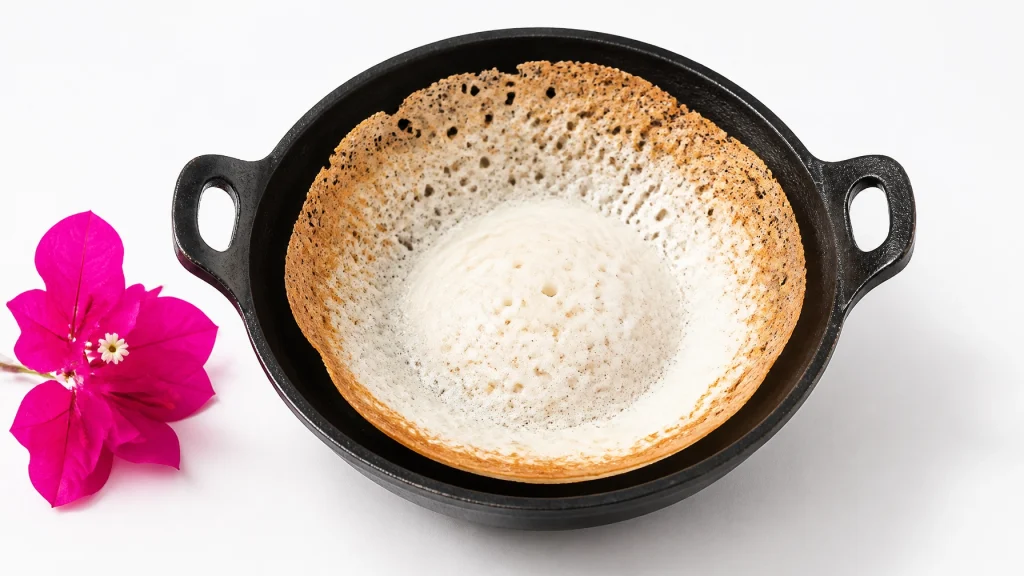
Hi there! If you have ever stared at a plate of golden, bowl-shaped Sri Lankan hoppers (appa) wondering how those impossibly crispy, lace-like edges and pillowy-soft centers happen, you are in the right place. (Spoiler alert: it is not magic, just a little kitchen science!)
Hoppers are the undisputed crown jewel of Sri Lankan breakfasts. When you master them, you unlock a whole new level of culinary confidence in exploring authentic Sri Lankan recipes. But let’s be honest : getting that iconic bowl shape right on the first try can test your patience.
Grab your appam pan and get comfortable. Today, we are breaking down the 7 most common hopper-making mistakes, how to fix them, and the exact steps to recreate restaurant-quality hoppers right in your own kitchen!
The Essential Hopper Ingredient Checklist
Before we dive into troubleshooting, let’s gather your supplies. Traditional hoppers rely on quality ingredients that bring out that signature fermented aroma and subtle coconut richness.
You can stock your pantry directly from our trusted Sri Lanka Stores Grocery and Coconut products collection. Here is what you will need:
- Fine Rice Flour: 300g (the backbone of your hopper batter).
- Coconut Milk / Coconut Water: For that rich, authentic island flavor. Check out our premium Coconut products.
- Active Dry Yeast: ½ tsp (essential for that light, airy rise).
- Sugar: 2 Tbsp (to feed the yeast and promote golden browning).
- Salt: 1 tsp (always added after fermentation!).
- Optional Spices & Aromatics: A tiny pinch of turmeric or cardamom from our Spices collection if you want to experiment.
Step-by-Step Instructions: Making Authentic Hoppers

Making hoppers is an art form, but following a structured process makes it foolproof. Let’s walk through it together!
Step 1: Proof Your Yeast
In a bowl, dissolve your sugar and active dry yeast in half a cup of lukewarm water. Let it sit for 10 to 15 minutes until it becomes frothy and bubbly. (If it doesn’t foam, your yeast is asleep : time to grab a fresh packet!)
Step 2: Mix the Batter
In a large mixing bowl, combine your rice flour, the bubbly yeast mixture, and enough coconut milk and water to create a smooth batter. The consistency should mimic heavy cream or thin pancake batter. (No lumps allowed! Whisk thoroughly.)
Step 3: Ferment
Cover your bowl tightly and let it rest in a warm corner for 6 to 8 hours (or overnight). During this time, natural fermentation creates those lovely bubbles and complex flavors. Stir in your salt only after the fermentation is complete.
Step 4: Swirl and Cook

Heat your special concave appam pan over medium heat. Lightly oil the pan, pour a small ladle of batter into the center, and immediately lift and swirl the pan in a circular motion so the batter coats the sides, leaving a thicker pool in the middle. Cover with a lid and cook for 2 to 3 minutes.
Watch and Learn: The Visual Guide
If you want to watch a masterclass in traditional Sri Lankan cooking style, check out this wonderful walkthrough:
7 Common Hopper Mistakes and How to Fix Them
Even experienced home cooks run into trouble now and then. If your hoppers are acting rebellious, find your symptom below and apply the fix!
1. Batter Too Thick (Dense, Rubbery, or Collapsing Hoppers)
- The Symptom: Your hopper turns out thick like bread in the middle, heavy, and fails to form that delicate lacy rim.
- The Cause: You added too much rice flour or not enough liquid, resulting in a paste rather than a pourable batter.
- The Fix: Gradually thin your batter with water or coconut water until it flows in a smooth, continuous stream from your ladle.
2. Skipping Fermentation or Not Using Yeast
- The Symptom: Flat, dense, and completely bland hoppers that refuse to rise or bubble.
- The Cause: You rushed the process and skipped active yeast or proper resting time. Hoppers need fermentation to develop their airy texture and slight tang.
- The Fix: Always allow your batter adequate resting time (at least 6 hours) in a warm spot with active yeast.
3. Adding Salt Too Early
- The Symptom: The batter never bubbles and remains dead flat.
- The Cause: Salt is a natural yeast inhibitor. If you mix salt into the batter before fermentation, it puts your yeast to sleep permanently.
- The Fix: Always mix your yeast and sugar first, let the batter ferment completely, and then stir in your salt right before you start cooking.
4. Wrong Pan Temperature (Pan Too Cold or Overheated)
- The Symptom: Batter slides straight back to the center and refuses to cling to the sides of the pan, or it burns instantly.
- The Cause: Your pan wasn’t preheated properly, or it’s blazing hot.
- The Fix: Preheat your appam pan properly over medium-high heat (test with a sizzle of water droplets). If hoppers are peeling away too quickly or burning, lower the heat slightly and let the pan cool for 30 seconds between batches.
5. Neglecting Pan Seasoning and Oiling
- The Symptom: Your hopper rips to pieces the moment you try to lift it out of the pan.
- The Cause: A dry or unseasoned cast-iron / steel appam pan will grab onto the rice batter like glue.
- The Fix: Season your pan thoroughly with coconut oil beforehand. Between each hopper, wipe the surface with an oiled cloth rather than pouring pooling oil into the pan.
6. Overcooking the Center
- The Symptom: The crispy edges look great, but the center is rock-hard and dry.
- The Cause: Leaving the lid on too long or keeping the flame cranked too high.
- The Fix: Shorten your cooking time to 2–4 minutes. You want a crispy, golden rim and a soft, spongy center : not a cracker!
7. Over-Fermenting in Hot Weather
- The Symptom: Your batter smells overwhelmingly sour, like vinegar or stale wine.
- The Cause: Leaving the batter out too long in a warm room causes runaway fermentation.
- The Fix: In warm climates, pop your batter into the refrigerator after 6 hours of room-temperature fermentation. It slows down the yeast and keeps the flavor pleasant.
Serve and Enjoy!

There you have it! With these troubleshooting tips in your back pocket, you are more than ready to conquer any hopper challenge that comes your way.
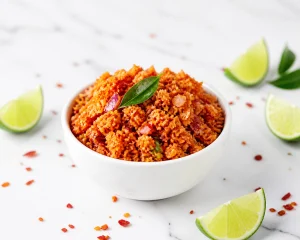
Serve your crispy creations hot with fiery Katta Sambol or aromatic coconut Pol Sambol.
Have fun experimenting in the kitchen, and happy cooking!